

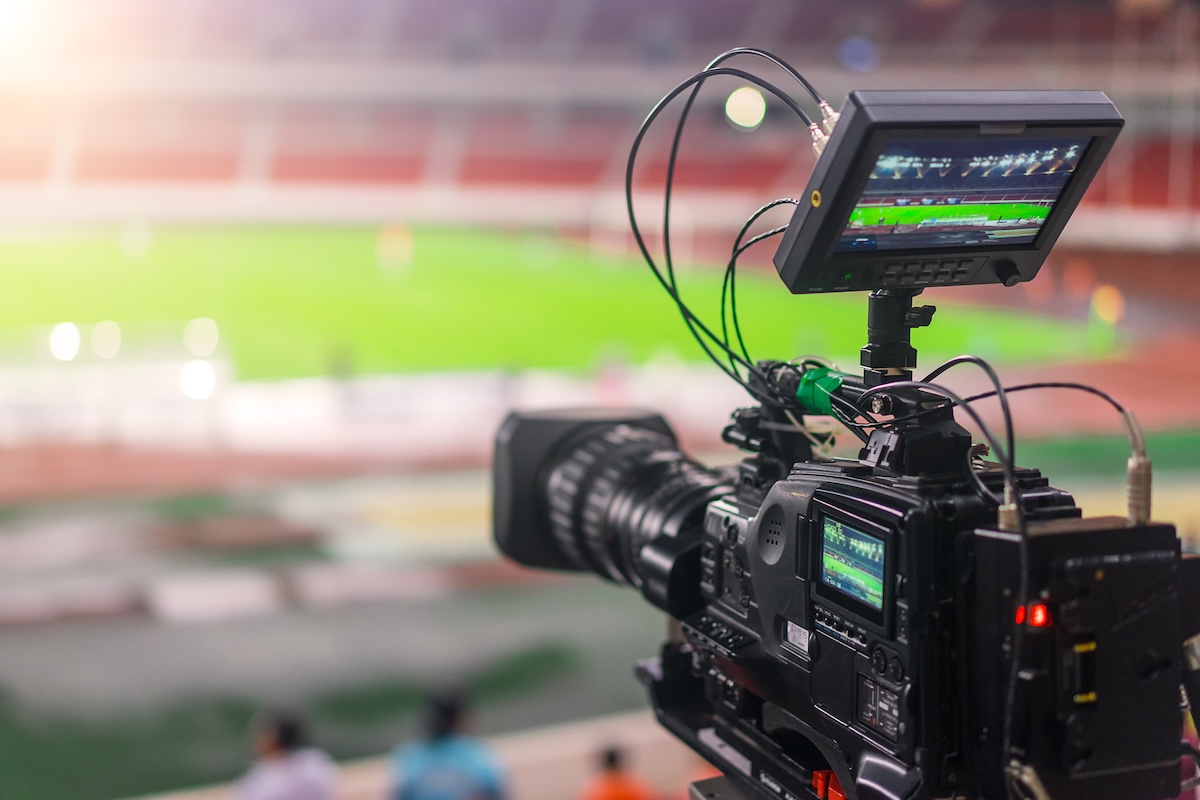
With top live events moving online, brands now have to bid on exact moments instead of static target groups, and standard programmatic tech wasn’t built for that.
Live sports advertising used to run on a simple setup. Networks owned all the slots, so advertisers signed year-long contracts to get into prime time. Nobody was bidding in real time, and targeting was pretty much stuck at basic demographics. Creative optimization happened offline, if at all. You either secured premium inventory during major events, or you didn’t — and once the deal was locked in, there was little room for flexibility.
Then streaming arrived, and the entire model shifted. Today, the live streaming market is experiencing unprecedented transformation. According to IMARC Group, the global live streaming market reached US$ 108.7 billion in 2025 and is expected to reach US$ 687.2 billion by 2034, growing at a 22.05% CAGR during 2026-2034. This rapid expansion shows how much viewing habits have changed. Live streaming is no longer just for niche viewers — it has turned into the new arena for viewer attention and ad spend.
For advertisers, this creates both opportunity and friction. Streaming platforms are now spending heavily on major sports rights. Ampere Analysis data, cited by PubMatic, shows that streaming services’ share of global sports rights spending nearly tripled from 8% to 20% between 2021 and 2025. But unlike the old broadcast model, streaming inventory is digital, addressable, and in theory, programmable. The catch? Live content breaks every assumption programmatic advertising was built on.
Why Live Offers Authentic Reach
Live streaming offers advertisers three big advantages over on-demand video: shared cultural moments, focused viewers, and instant buzz on social media.
When millions watch a live event together, there’s no algorithm deciding what each person sees. Everyone is in the same moment, and that makes viewers feel more connected and invested. Sports brands activate during games and tech companies launch at industry events for exactly this reason: their message becomes part of the conversation, not an interruption in someone’s personalized feed.
But shared moments alone don’t guarantee results. What matters equally is intent. Viewers choose to watch live streams and set aside time for them, instead of passively scrolling through algorithm-picked content. As a result, they tend to stay longer and pay closer attention, which can boost brand awareness and the chance of conversion. And because people talk about what they watch live, the brand also gets extra reach through earned media.
Live events generate conversation in real time. Viewers tweet, comment, and discuss events as the action unfolds. A brand with a smart live moment reaches not just the direct audience, but everyone those viewers talk to. On-demand content doesn’t get that social multiplier effect, since engagement happens in isolation and fades quickly.
Why Programmatic Wasn’t Built for Live
The gap between theory and practice becomes very hard to ignore once you try to monetize live content at scale.
In live sports, inventory changes in real time. A game goes into overtime, and suddenly there are additional commercial breaks. Viewership can surge unpredictably, sometimes many times above normal levels for major events. The available ad slots that didn’t exist five minutes ago now need to be filled immediately. For traditional programmatic systems, built on the premise of predictability, this is chaos. Auction systems must handle huge, sudden traffic jumps without crashing. At the same time, what happens on screen changes continuously, which makes standard audience data less reliable. And the time available to make a decision drops dramatically; there’s no luxury of sitting back and optimizing after the fact.
What makes this particularly challenging is that live events attract different buyers with different urgency levels. According to Magnite, high-profile events attract approximately 20% more net-new advertisers who haven’t bought on a platform before, while about half of active buyers double their bids compared to off-peak levels. For publishers, this creates a supply-demand mismatch that traditional programmatic wasn’t designed to handle. For ad buyers, it means fighting for slots in a market where the rules shift every minute.
Live Adoption Perspectives
The opportunity in live streaming advertising is clear. The obstacles are equally real, and they’re not all technical.
The most immediate challenge is measurement. On-demand video has years of performance benchmarks and attribution models. Live streaming doesn’t. Deals for premium live content still rely more on intuition and trust than actionable data, capping big-budget investments. Broadcaster creative policies don’t help either. Requiring strictly pre-approved creatives stops buyers from jumping on unexpected moments or optimizing performance in real time, effectively working against what makes programmatic worth using.
Publisher fragmentation compounds these issues. Sky Media has opened live Premier League matches to real-time bidding, and PubMatic has launched a Live Sports Marketplace for programmatic buying of live sports inventory. Hundreds of smaller streaming services and regional sports platforms haven’t done the same yet. An advertiser buying programmatically across multiple platforms discovers inconsistent delivery, support, and reliability. This fragmentation slows market consolidation and increases operational overhead. This is where the ad-serving layer matters. Operators who want to stay in control of their inventory need infrastructure that handles multiple demand sources at once, which is the idea behind the new AdPlayer.Pro CTV Ad Server. It supports real-time OpenRTB auctions, multi-demand routing, and ad podding, with live analytics and debugging tools to keep an eye on your traffic.
Costs are another big problem. Top live ad slots are expensive, and early buyers often pay more just to test things out. For products with low prices or long decision cycles, these high CPMs can be hard to justify compared to regular on-demand ads.
There is no single fix here — the market simply needs to grow up. As more publishers upgrade their live setups, clear measurement rules appear, and platforms start competing on uptime, these problems will fade. The market will likely follow a familiar path: early buyers pay high prices for top slots, performance standards take shape, costs level out, and mainstream adoption speeds up. Right now, we’re still at step one.
Why Live Streaming Is Becoming the Next Frontier of Video Advertising